Scrupulous.dk
2 week workshop with 200 master students founding a temporary research consultancy practiced focused on the history and future of the workplace…
2016
-
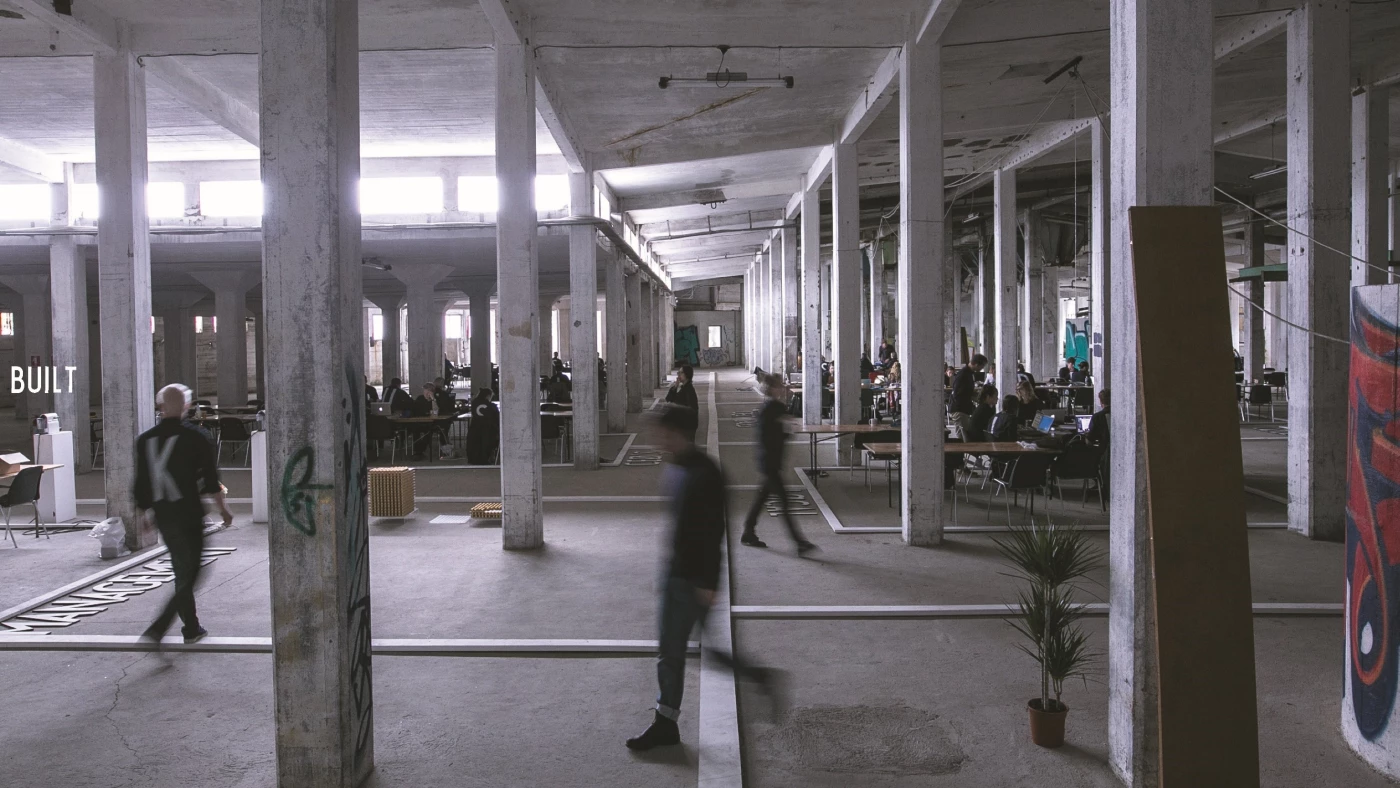
In an abandoned warehouse in the Aarhus harbor…
/9 -
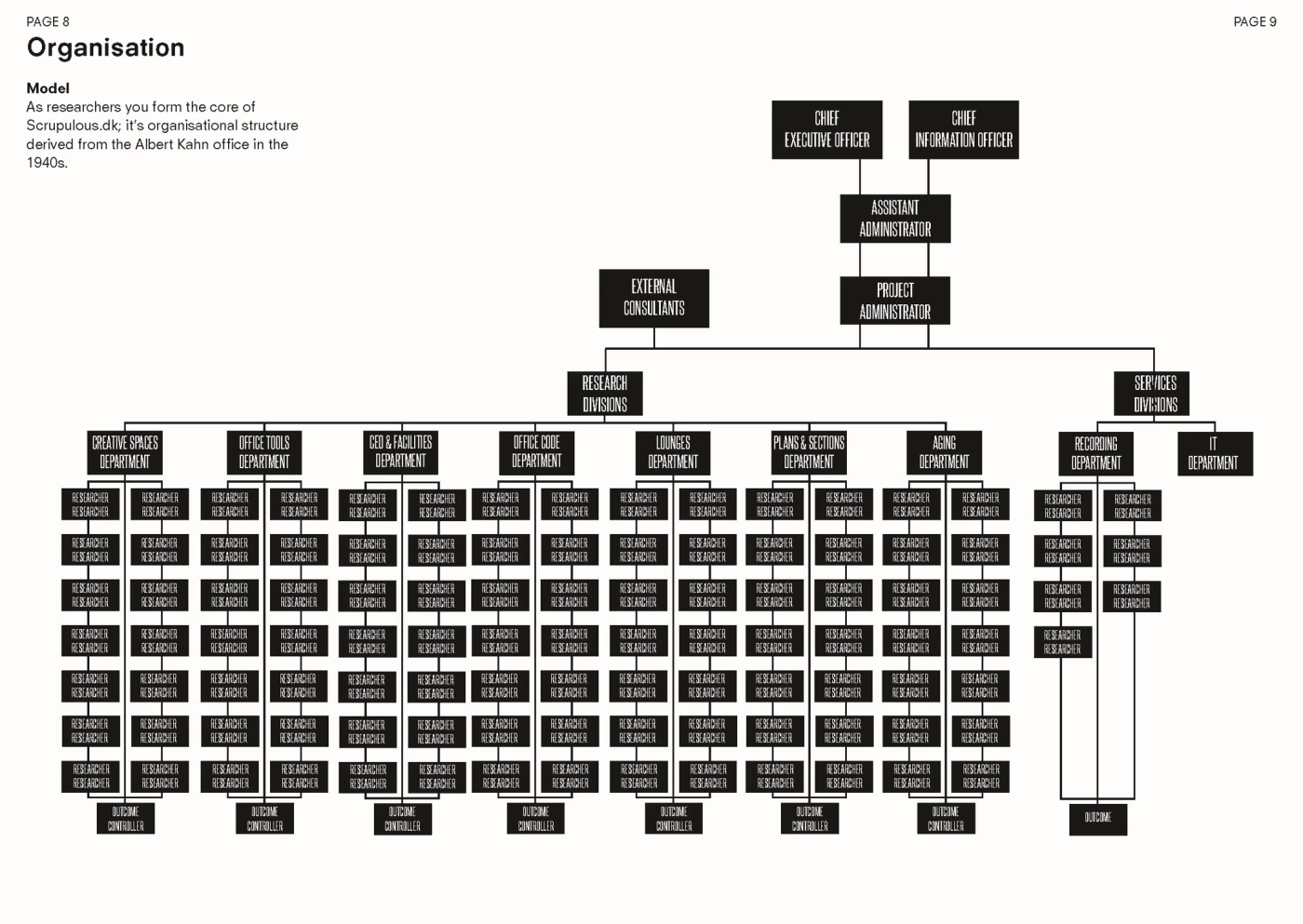
…we setup a temporary office consultancy following a highly structured organization to study the history of office building development.
/9 -
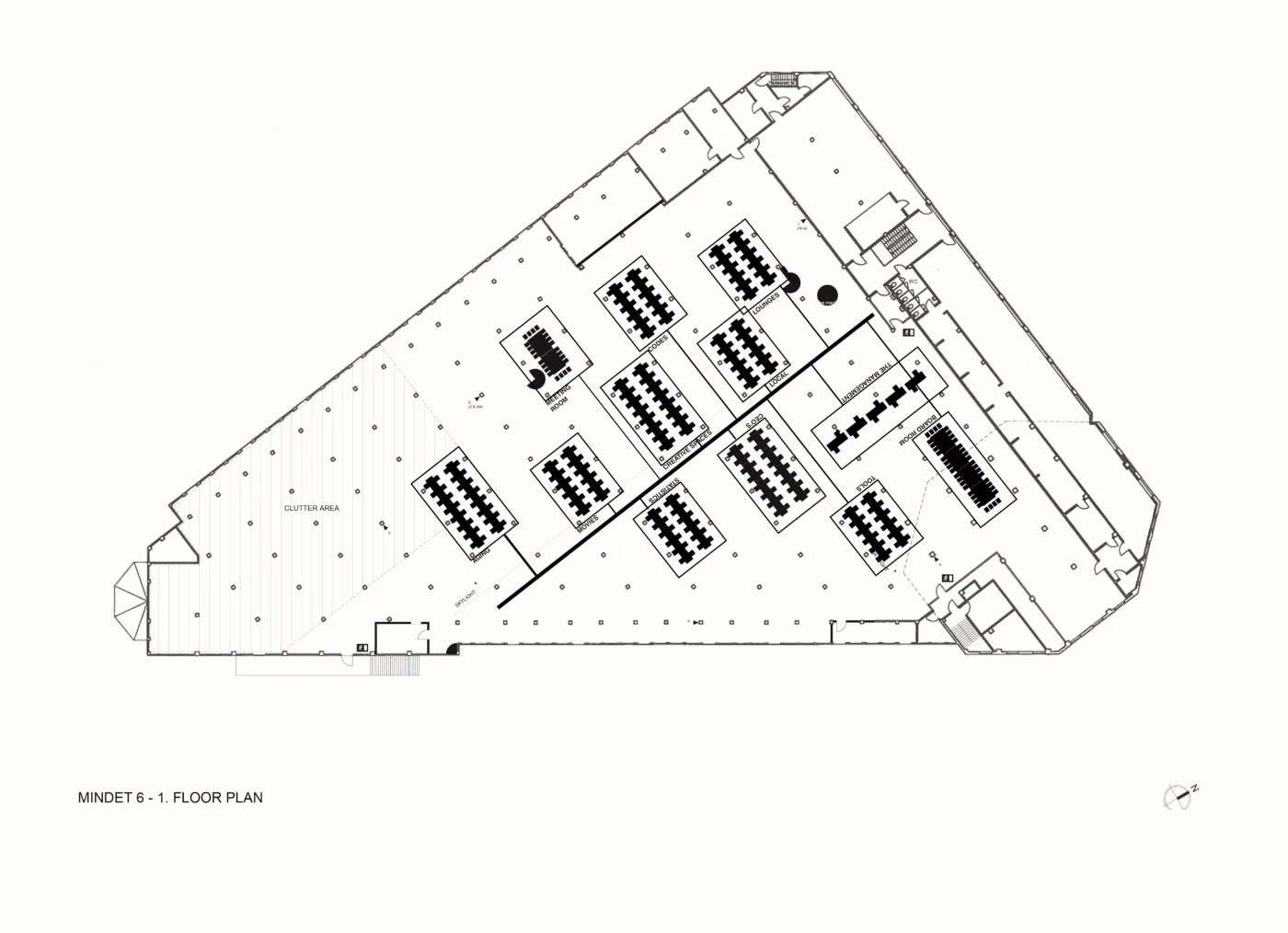
A team of close to 200 students from Aarhus School of Architecture are spread out over 10 office departments each devoted to a very specific research task.
/9 -
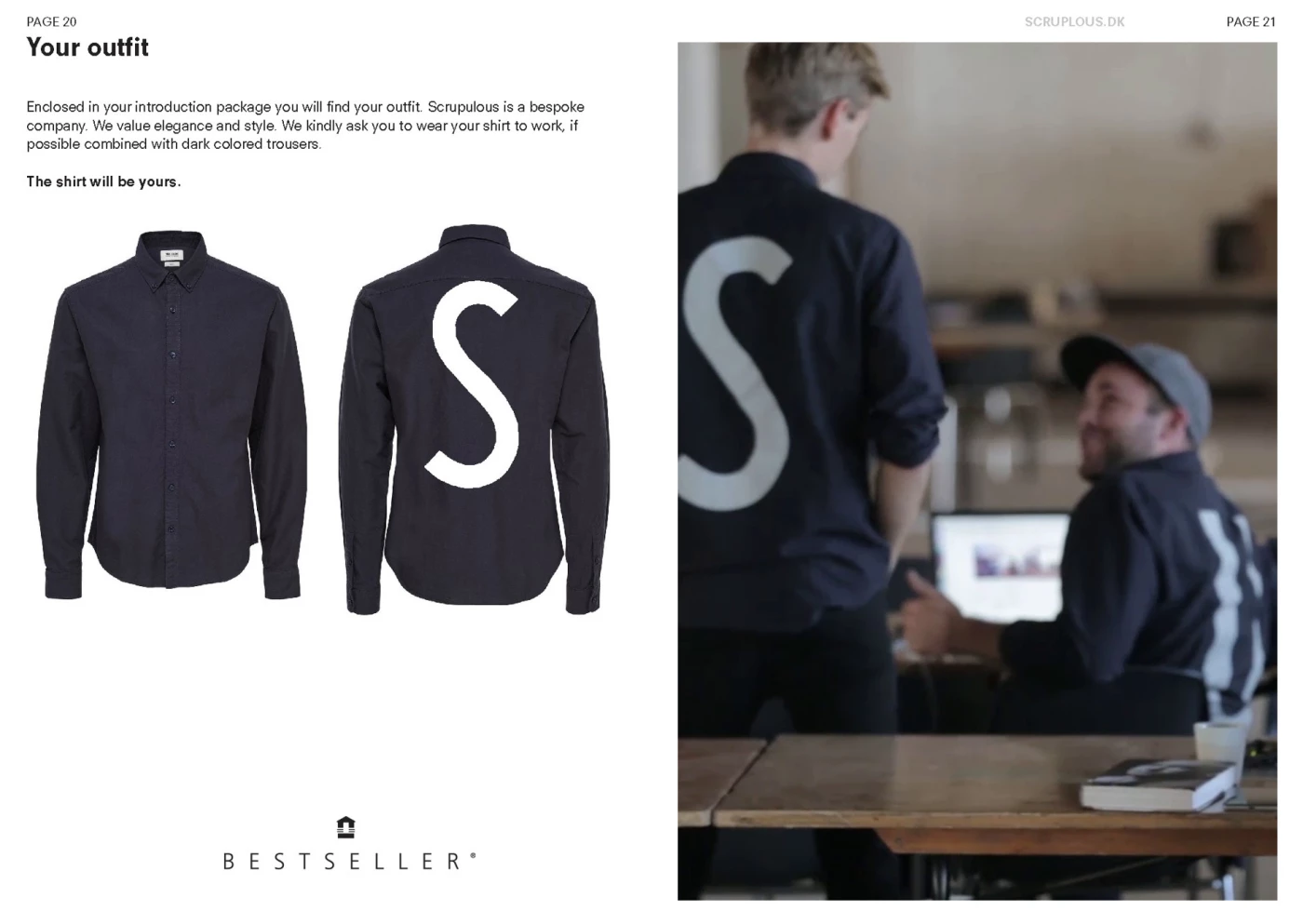
Students become shareholders of the consultancy and receive a bespoke office outfit.
/9 -
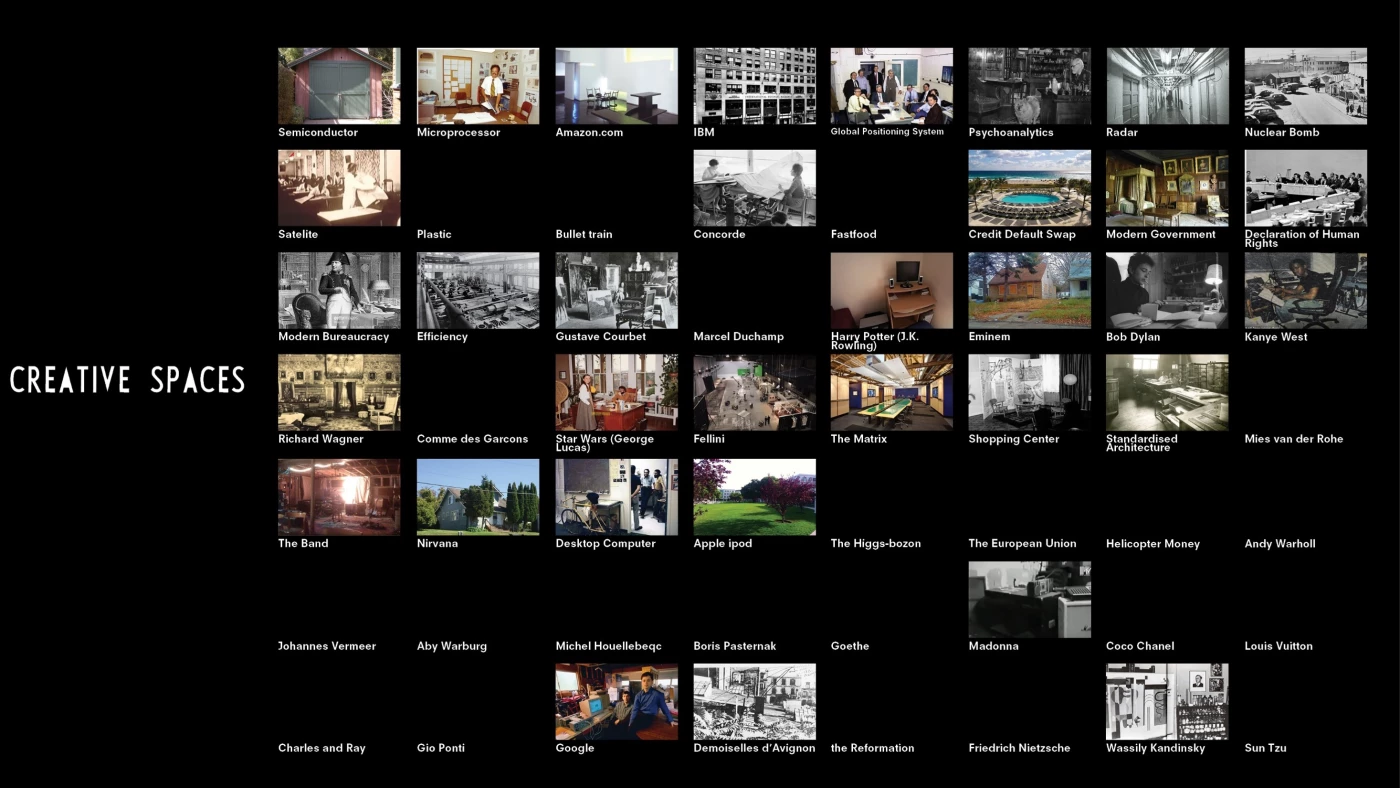
One department focusses on tracking down original sties of invention and creativity for a number of creative highpoints in history.
/9 -
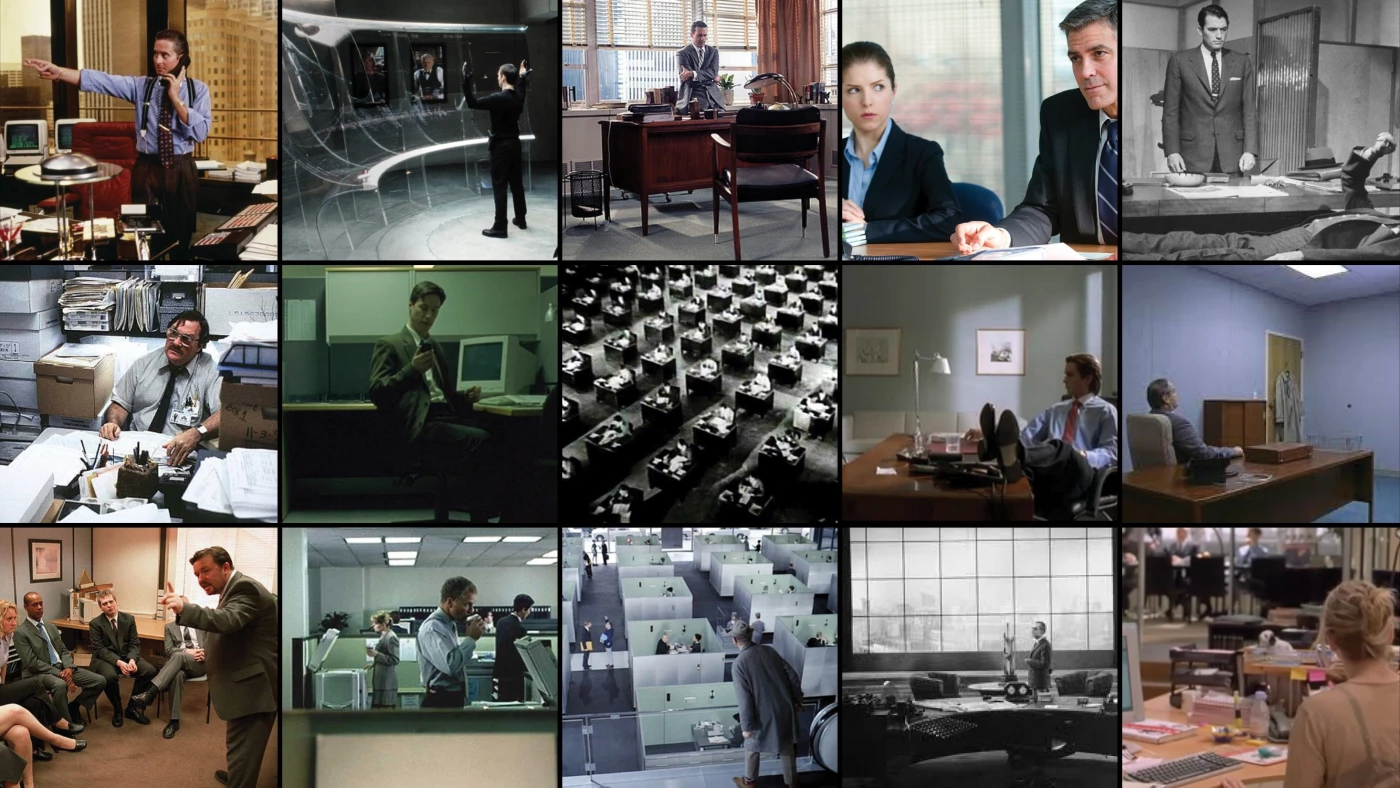
Another department focuses on retelling the history of office spaces through their representation in film.
/9 -
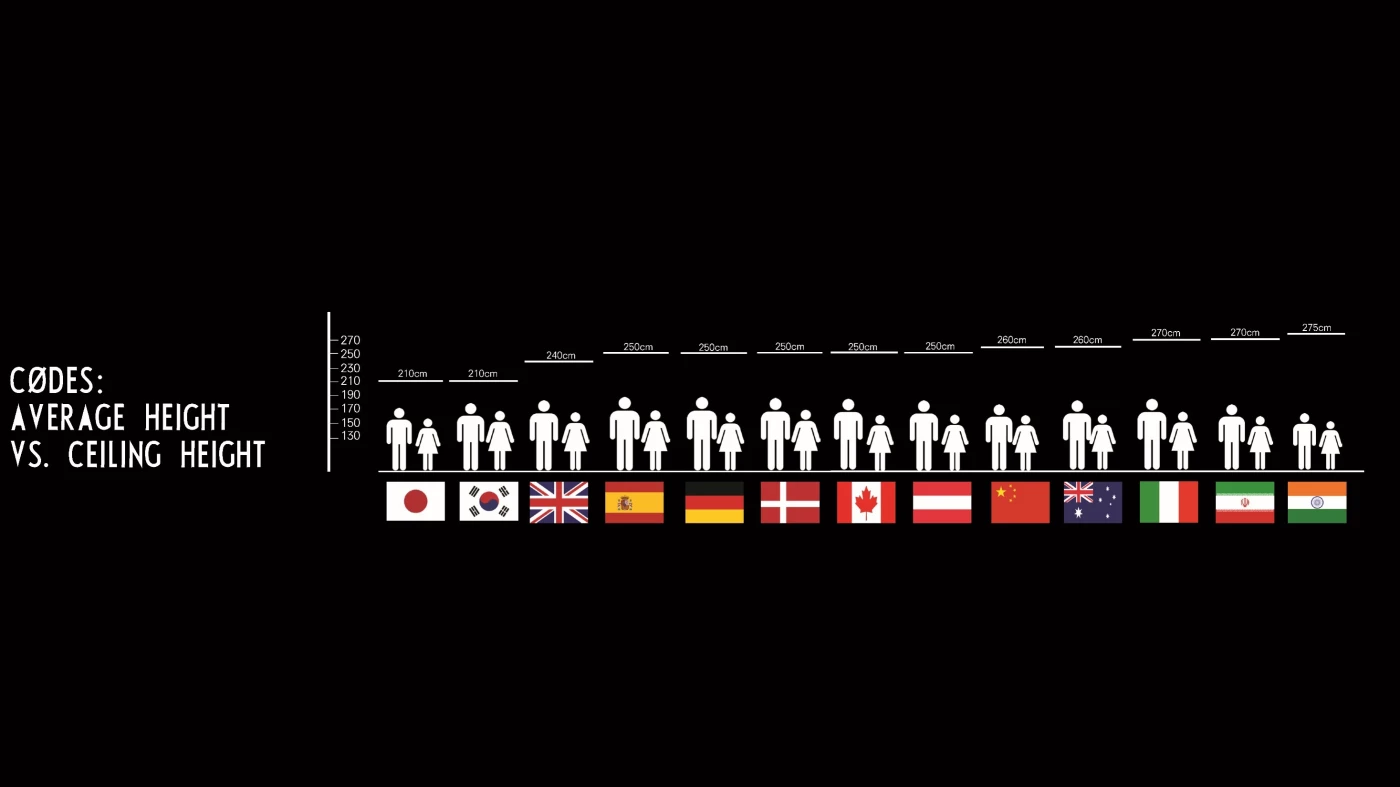
A department with international students compares office space regulations in different countries.
/9 -
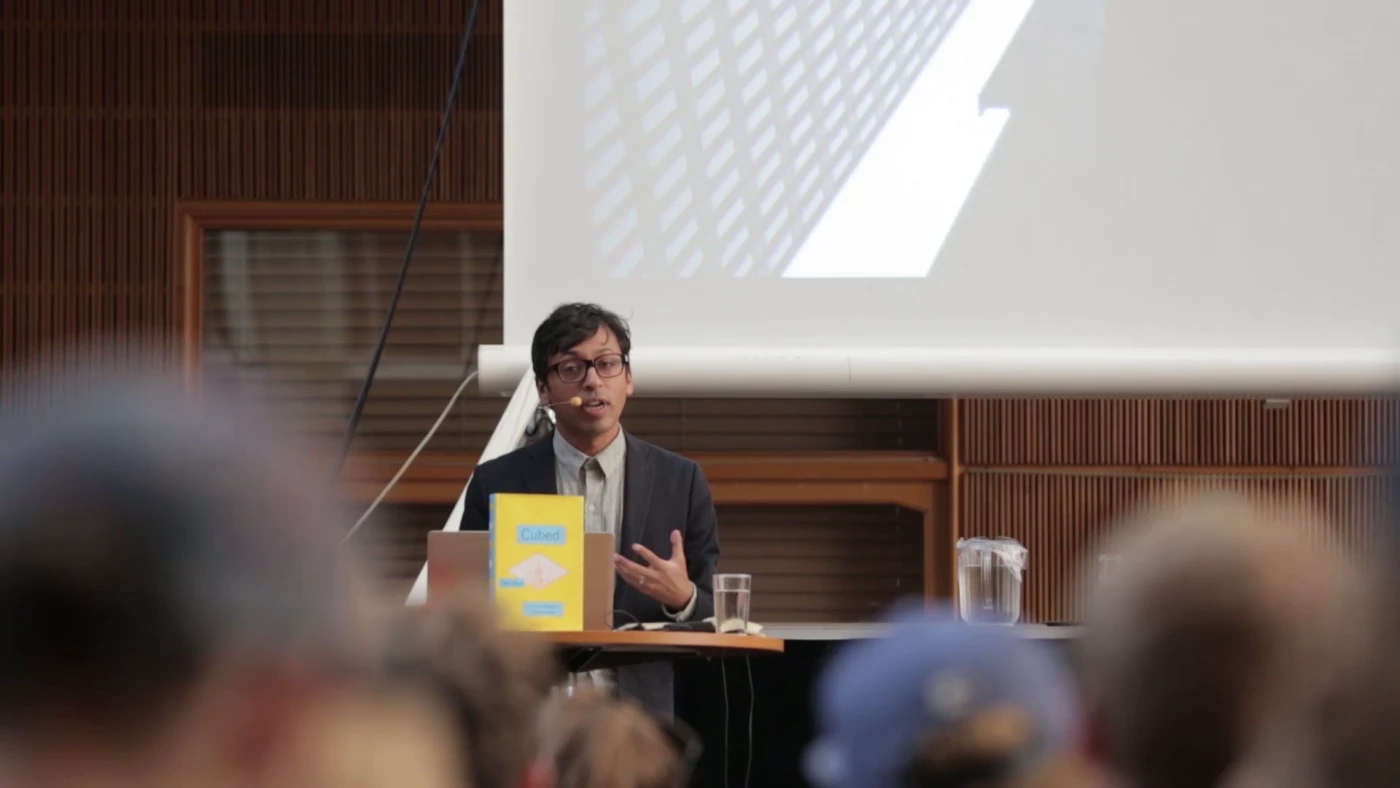
A lecture program supports their work including a lecture by Nikil Saval, author of The New York Times Bestselling Cubed: A Secret History of the Workplace.
/9 -
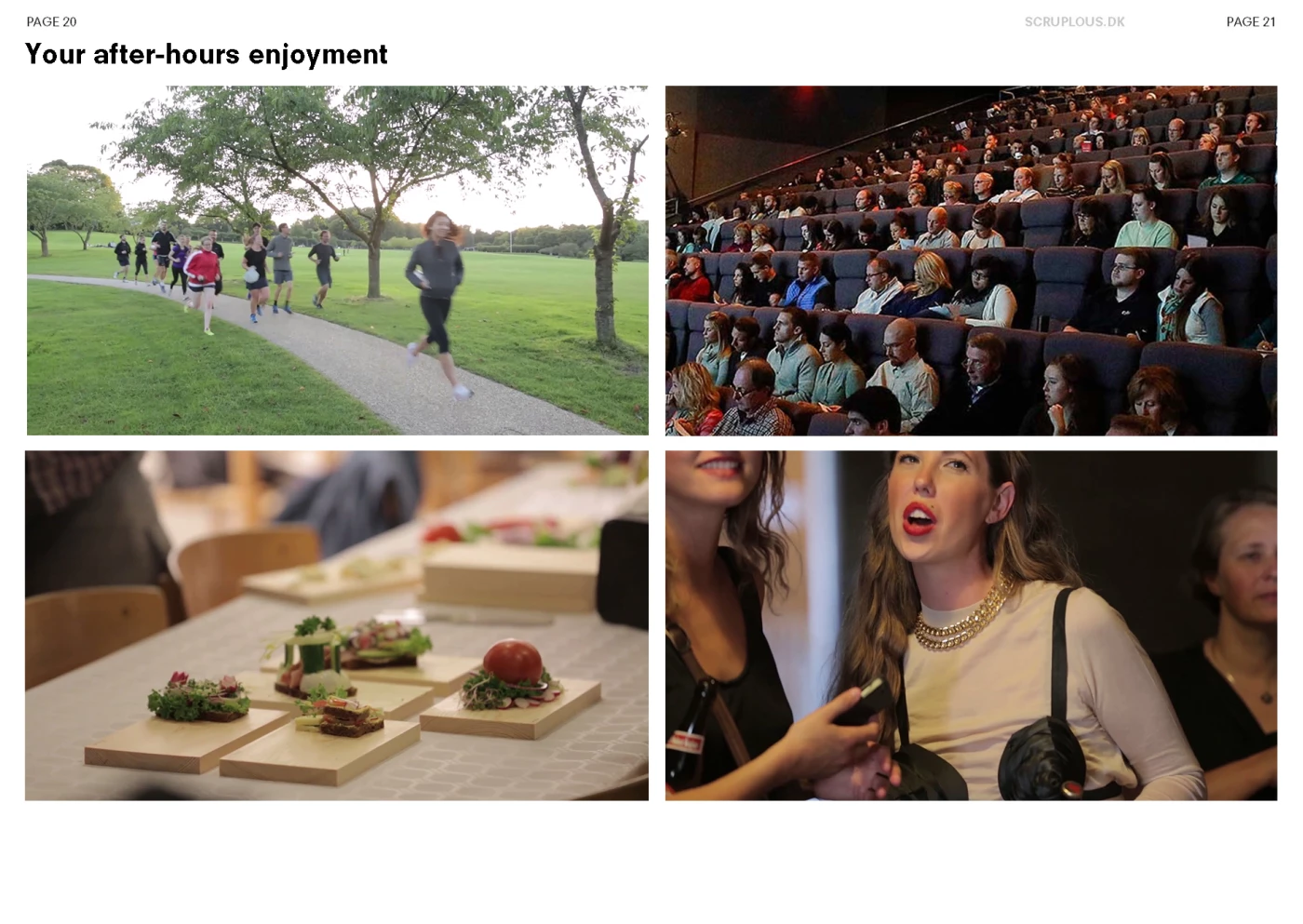
Work hard = play hard. An afterhours program ensures workers health and happiness, though physical exercise, cooking, movie-going and a dress-as-your-research-topic-character party.
/9


In September 2016 we founded SCRUPULOUS.DK: a temporary research and consultancy firm in Aarhus (Denmark) with the ambition to examine the current workplace by exploring new ways in which history can be used to promote the future.
SCRUPULOUS.DK fields of interests range from the impact of architecture in creativity, to the analyzing role of building codes and movies in office design, the aesthetics and program of business lounges, scrutinizing statistics, the language and architecture of important CEOs and finding out what happened to iconic office projects.
The on-going research efforts have so far led to more than 5000 pages of raw content: office scenes from more than 60 movies, post-occupancy reports on more than 40 office icons, 40 spaces where mayor invention took place, 30 CEO’s and their multinational architecture examined, sifting through business lounges as the ultimate workspace, an inventory of office elements through time, a comparison of the building codes that dictate half of the worlds office spaces, glimpses into local office cultures, a vast collection of office plans and sections, etc. The risen prominence of our careers arguably elevates our workspace to the most important space in our life.
Throughout the last decades workspace have been transformed from rather neutral environments to spaces of heightened expectations: they should bolster us, feed us with inspiration, simultaneously challenge and comfort us. The frivolity emanating from Silicon Valley has drastically influenced the aesthetics, and social and programmatic understanding of our workspace. Spearheaded by companies like Google and Facebook they successfully introduce radical forms of architectural Prozac: from reminders of the cosiness of our homes to bubbled kindergartens for grown-ups. Financial pressure in many other sectors is reducing the work floor back to an ‘existenzminimum’ by doing only what needs to be- relying on legal codes to define office world.
The research created by the consultancy world is intrinsically interwoven with their commercial interest: IT firms prove the success of flex-desks, real-estate firms promote the need to rent more office space, furniture manufacturers provide data promoting the replacement of your office interior. The quest for real-time monitoring based on seemingly objective data has reduced research to a technocratic play of numbers and a systematic overestimation of quantity over quality. The collision of these currents –the heightened expectations, lack of memory, embedded biases and data hunger– has reduced the spectrum of what the architecture of the workspace can mean or achieve: Its palette reduced, and contrast removed. Despite the deep societal and personal consequences much of the transformation has happened unchecked. This is what we address and engage with.
Together with 200 master students and researchers from the Aarhus School of Architecture and a range of external consultants we set a collective task to understand how we got here. The large number of people involved enabled us to work at an unprecedented scale and range of interests, with relatively little effort. Two weeks of disciplined work 9 to 5 achieves more than a small group could achieve in years.
Stephan Petermann as VELUX guest professor at Aarhus School of Architecture with Prof. Ruth Baumeister