Back to the Office
Research publication about 50 (once) iconic and revolutionary office buildings and what has become of them, probing their actual lifespans. Before-after photography, archival research, and interviews with owners, managers, and workers show how longevity is possible.
2022
****
— Volkskrant, Bob Witman
“Vor Kurzem haben die Kulturwissenschaftler Ruth Baumeister und Stephan Petermann ein Grundlagenwerk zur neueren Geschichte des Büros veröffentlicht. Sie stellen die wichtigsten Bürobauten der Jahre nach 1945 vor, darunter öffentliche Verwaltungsbauten wie Alvar Aaltos Haus für die finnische Sozialversicherung, Firmenzentralen wie den „Vierzylinder“ von BMW in München oder Norman Fosters „HSBC Building“ in Hongkong, dessen expressives Tragwerk die Kräfte des globalen Kapitalismus darzustellen scheint. Baumeister und Petermann zeigen, wie sich die Bürobauten über die Zeit verändert haben. Man sieht Großraumbüros, die langsam mit Zimmerpflanzen, Schränken und immer höheren Stellwänden zuwuchern; während den Angestellten um 1970 die Haare wachsen, wachsen in dem Großraumbüro Innenwände, als wolle es sich heimlich in einen Haufen von Einzelzimmern verwandeln.”
— Frankfurter Allgemeine Zeitung, Niklas Maak
“The authors of Back to the Office sneakily employ the phrase on everybody’s lips to take a more literal trip into their 50 best office buildings and to see how they have evolved over the intervening years. It is an interesting conceit as it presents the opportunity to check reality against image. Impossibly minimal and elegant photos from the 1960s are juxtaposed with the more mundane reality of layers of accretion and clunky furniture. But broadly, the best buildings hold up well. Towers by architects Ludwig Mies van der Rohe, SOM, Marcel Breuer and Gio Ponti, and brutalist suburban campuses, have had mixed fates. But the best have survived, some successfully repurposed as hotels or cultural spaces.”
— Financial Times, Edwin Heathcote
-
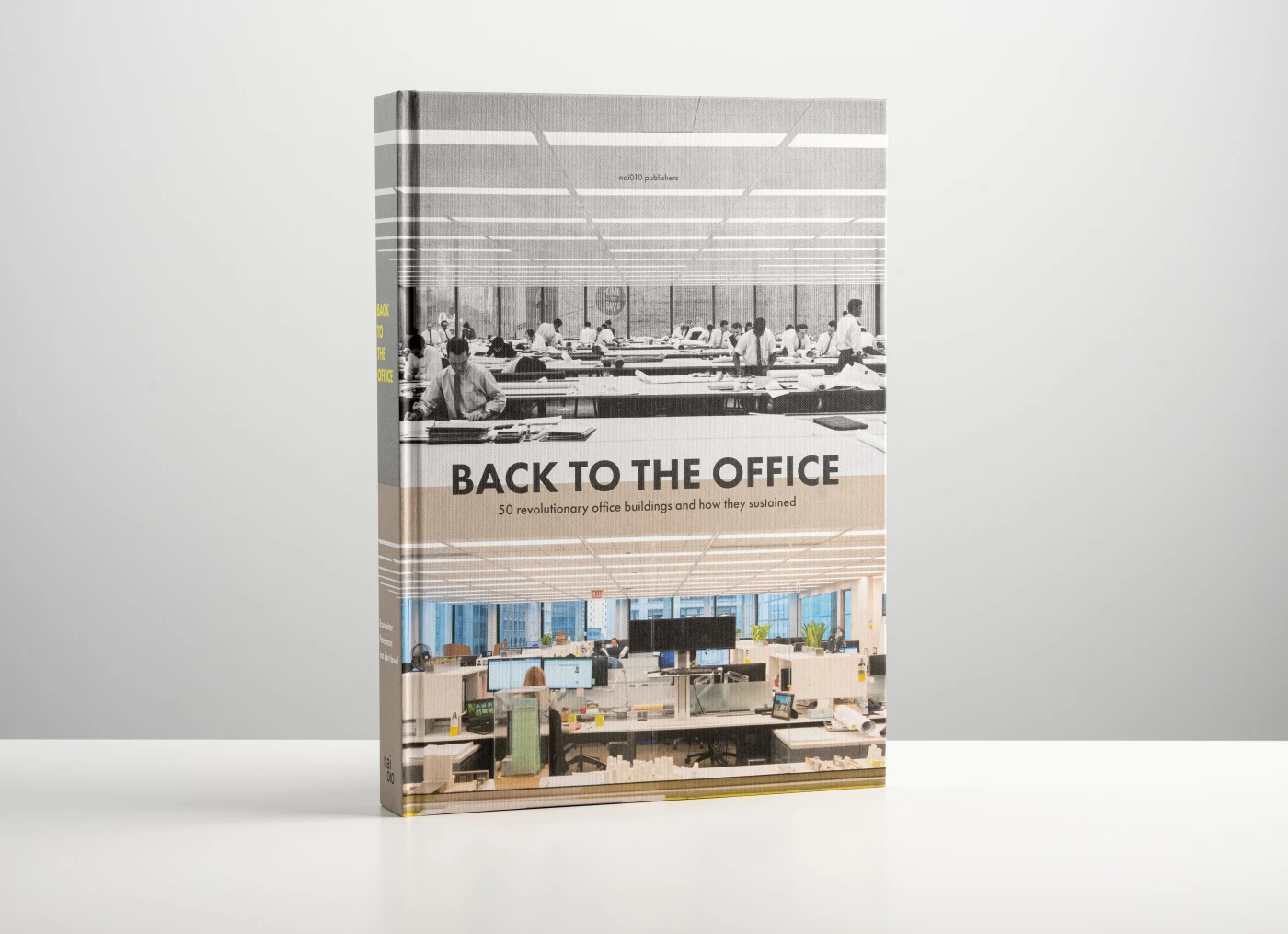
Back to the Office (2022) started as an open inquiry into what happened to once revolutionary office buildings. Photo by NAI010 Publishers
/8 -
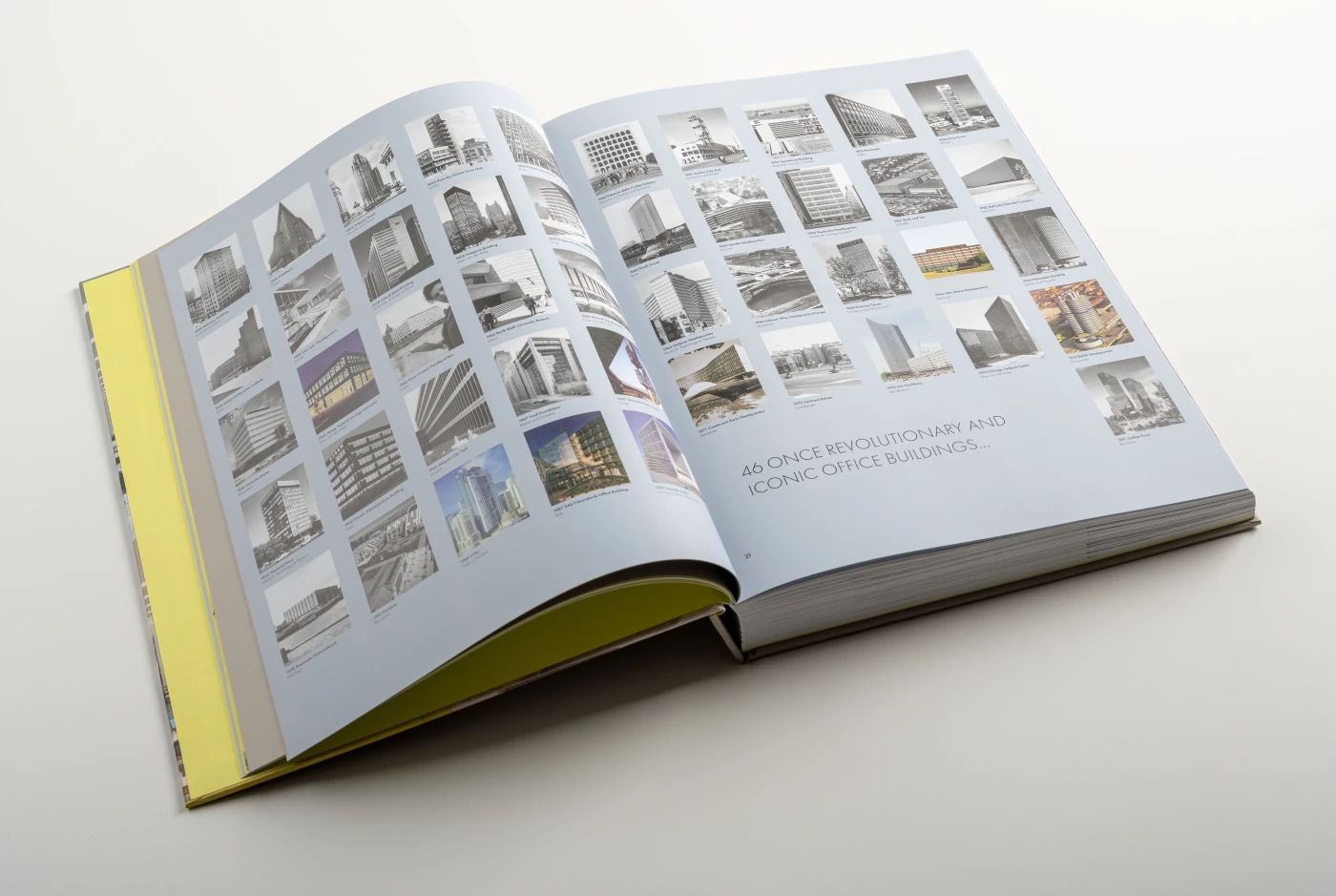
In the absence of post-occupancy research in office building life cycles, misc. kickstarted a research project with students and researchers from Denmark, the United States, Middle East and Japan into the lives of to the most iconic office buildings of the last 150 years. Photo by NAI010 Publishers
/8 -
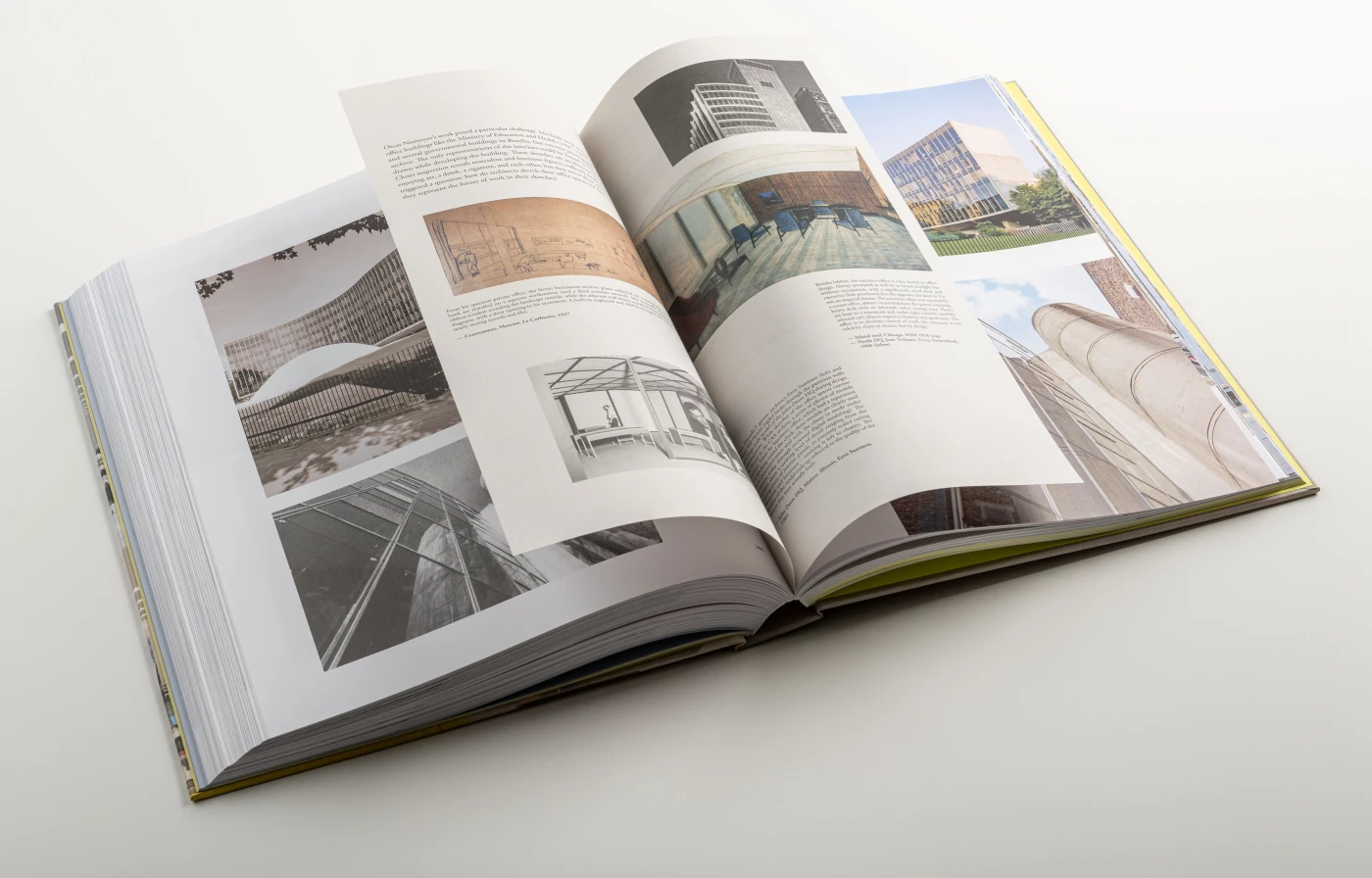
Large pages feature the iconic money shots at completion on the one hand, opposed by the same shot made today. Inserted smaller pages offer vignettes that focus on the unique life of each office building over time. Photo by NAI010 Publishers
/8 -
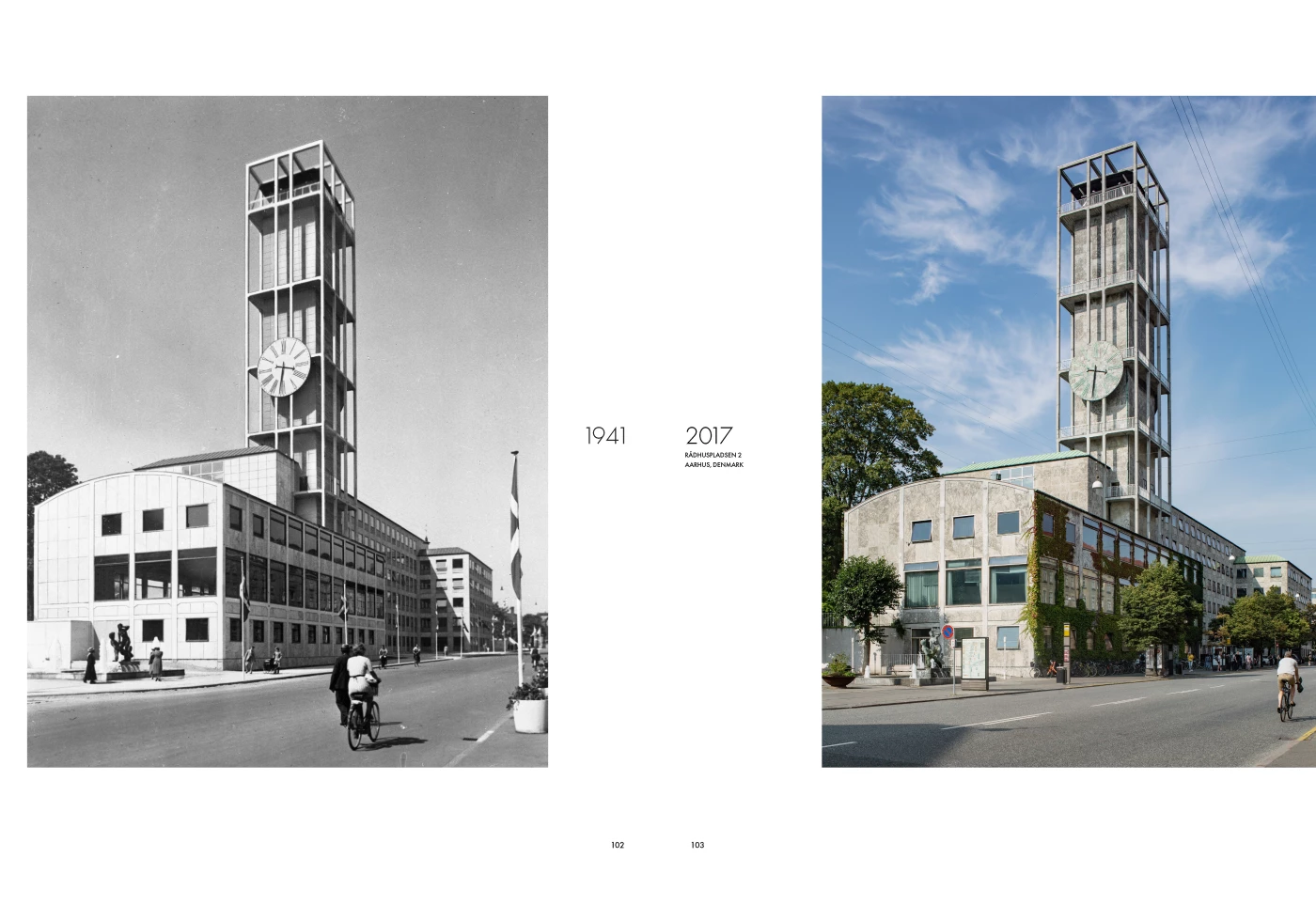
Aarhus City Hall designed by Arne Jacobsen, 1941 – 2017. Photo by Jens Frederiksen
/8 -
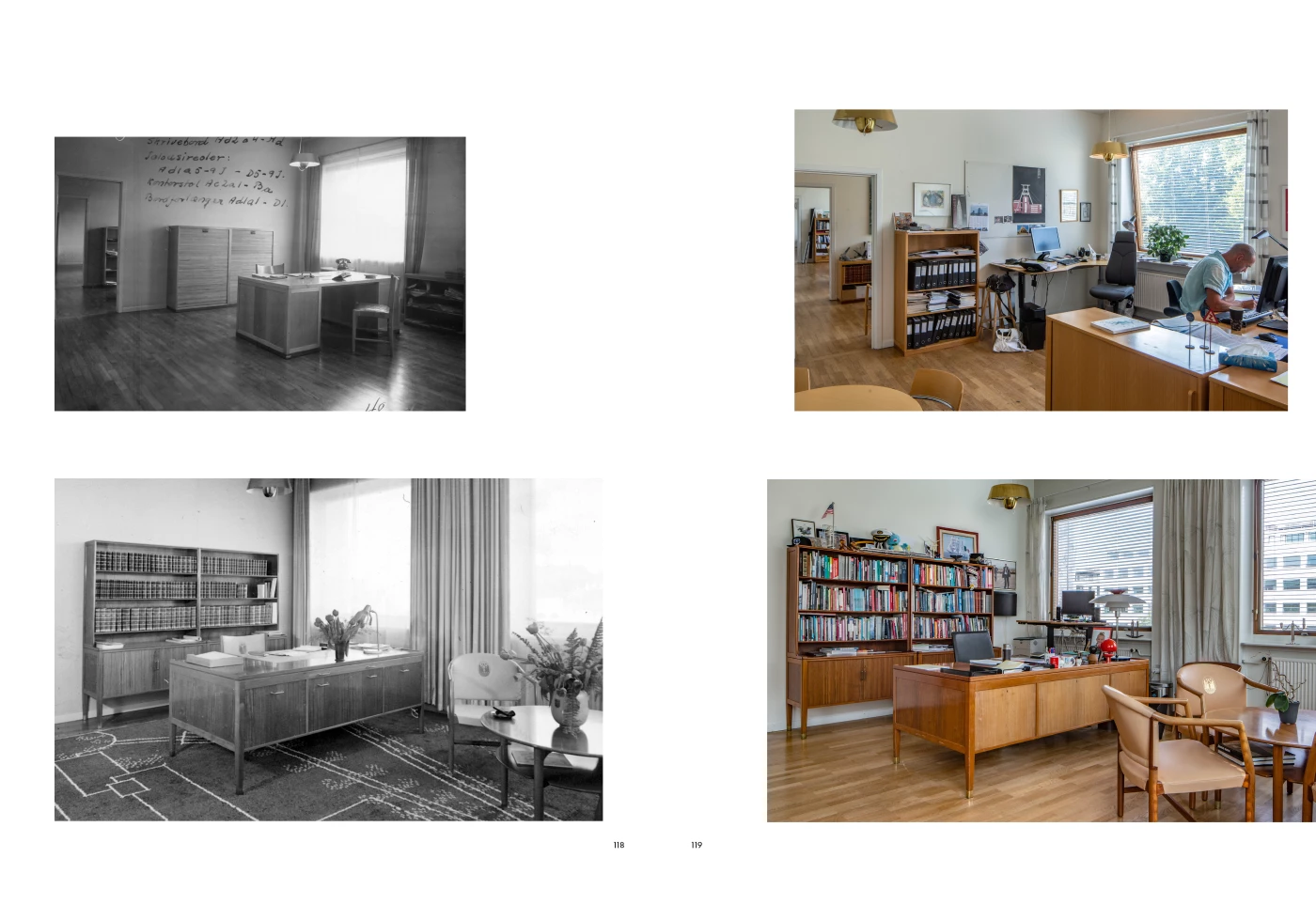
Mayor’s office, Aarhus City Hall designed by Arne Jacobsen, 1941 – 2017. Photo by Jens Frederiksen
/8 -
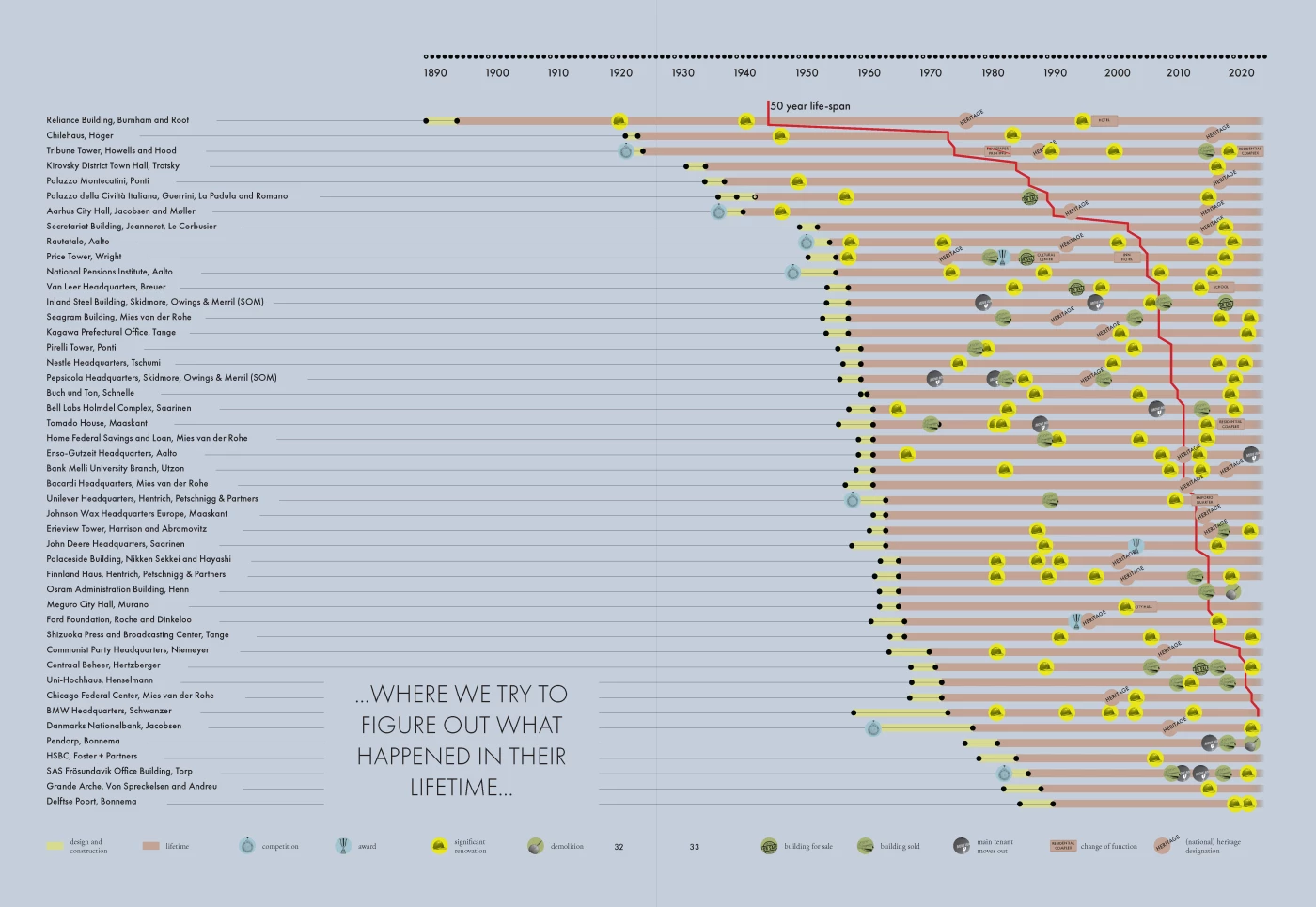
An infographic timeline reconstructs buildings transformation over time and their supposed 50 year life span. With most office buildings still functioning today and frequently valued more than their construction cost, offers an indication that our ideas of value development need drastic reconsideration.
/8 -
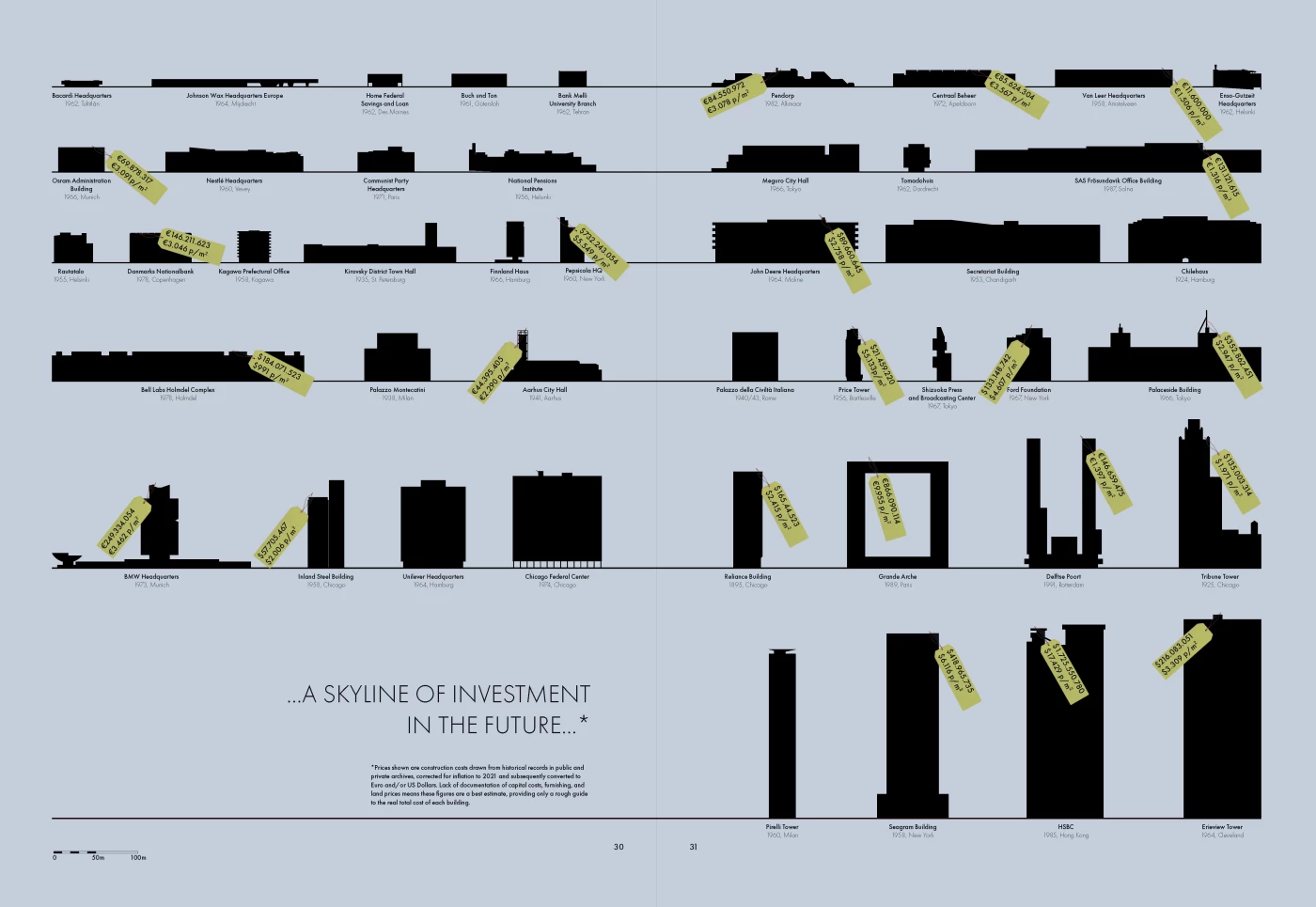
Elevations of the office buildings set against their inflation corrected construction prices.
/8 -
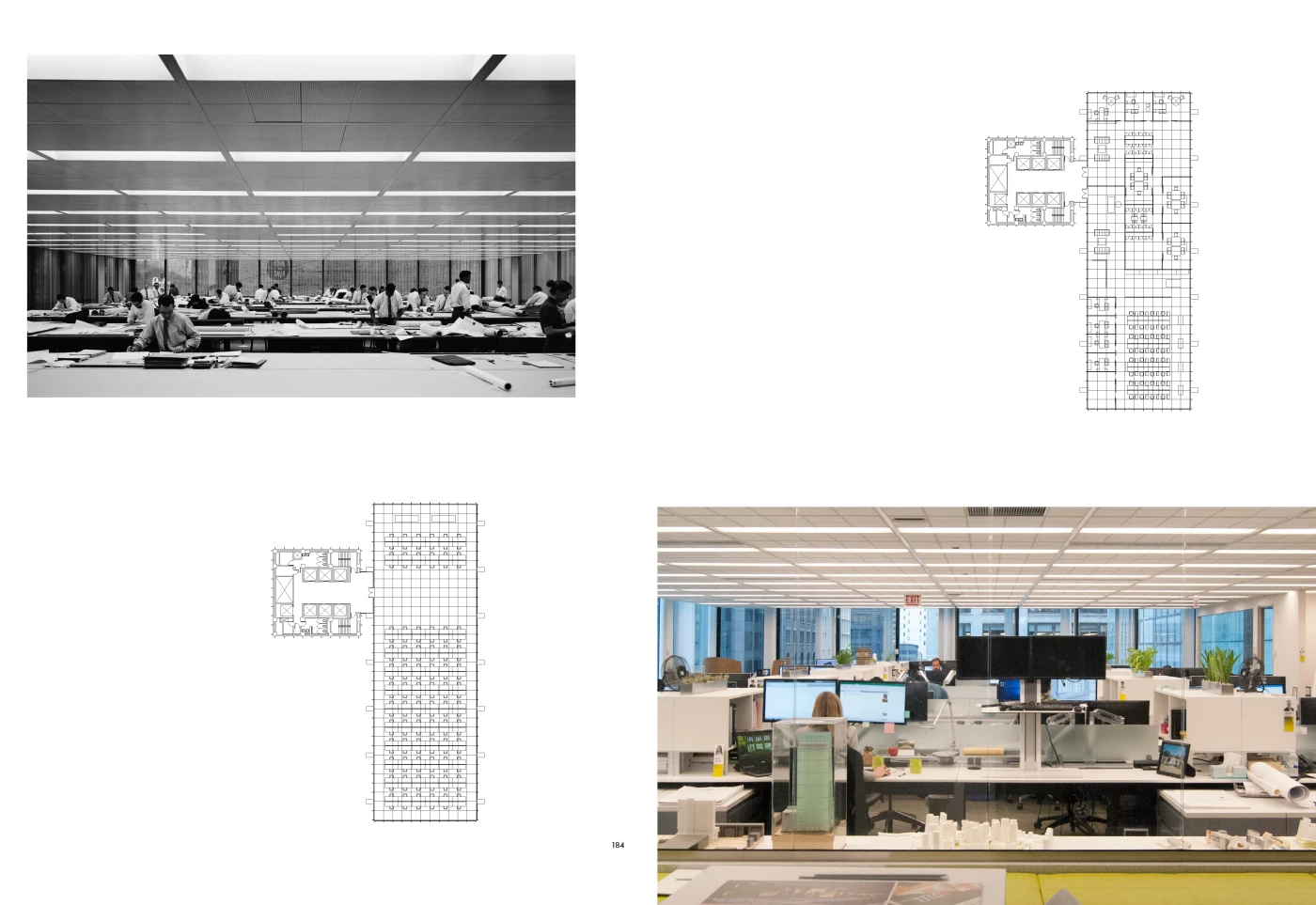
The ultimate flexibel office building for Inland Steel by SOM in New York in 1958 and 2017. Photo by Brent Hall and Patrick Small
/8


Able to work anywhere, and in precarious times, often forced to, we have a tortured relationship with the office today. Realizing anew the benefits of collaborating and just being in physical, shared spaces, we are simultaneously questioning whether offices – with the demanding, alienating rhythms they impose on us, the expenses they bring to business, and their hefty material and carbon impacts – are needed at all. In times of uncertainty and drastic change, the typical response of architects, in league with corporations and consultants, has been to demolish or strip out office buildings and start again. Attempting to plot a more sane path forwards, this book looks back. How have the revolutionary office buildings of the 20th century evolved in the 21st century? What architecture and materials, and which ideologies of work and corporate inhabitation have endured, and why? And which regimes of change have worked, and which haven’t?This book is the first longitudinal study of dozens of icons of Modernism and modernity. Using before-after photography, documents from corporate and public archives, and extensive interviews, Back to the Office engages CEOs, staff, architects, maintenance and cleaning crews, real estate brokers, and financiers to see what we can learn about (extending) the lifecycles of the office.
Research by Stephan Petermann and Ruth Baumeister.
Book design by Marieke van den Heuvel. Edited by James Westcott. Principle photography by Jens Frederiksen and Ossip van Duivenbode.
With contributions by Ashley Schafer, Keigo Kobayashi Lab, Shaun Fynn, Marieke van den Heuvel, Rem Koolhaas/AMO/Nicholas Potts, Manfredo di Robilant, Kenneth Ross, Solmaz Sadeghi Khasraghi, Ali Tavakoli Dinani.
Further photography by Iwan Baan, Cameron Campbell, Mario Carieri, Pietro Carieri, Shaun Fynn, Jules Gorce, HGEsch, Andrea Jemolo, Parasto Nowruzi, Milad Panahifar, Richard Pare, Juhani Niiranen, Sandra Schubert, Emanuele Scorcelletti, Phillip Sinden, Patrick Tourneboeuf.