The Not-So-Easy Guide to Circular Interior Design
How-to publication on circular interior design, built on research into three good-practice cases, examined from all perspectives in the building process. The guide tests circular design principles against the reality of practice, where they often run into the obstacles of a still linearly organized economy. Published as VOLUME 63, it is the first in a series of annual VOLUME guides.
published December 2023, event March 2024
-
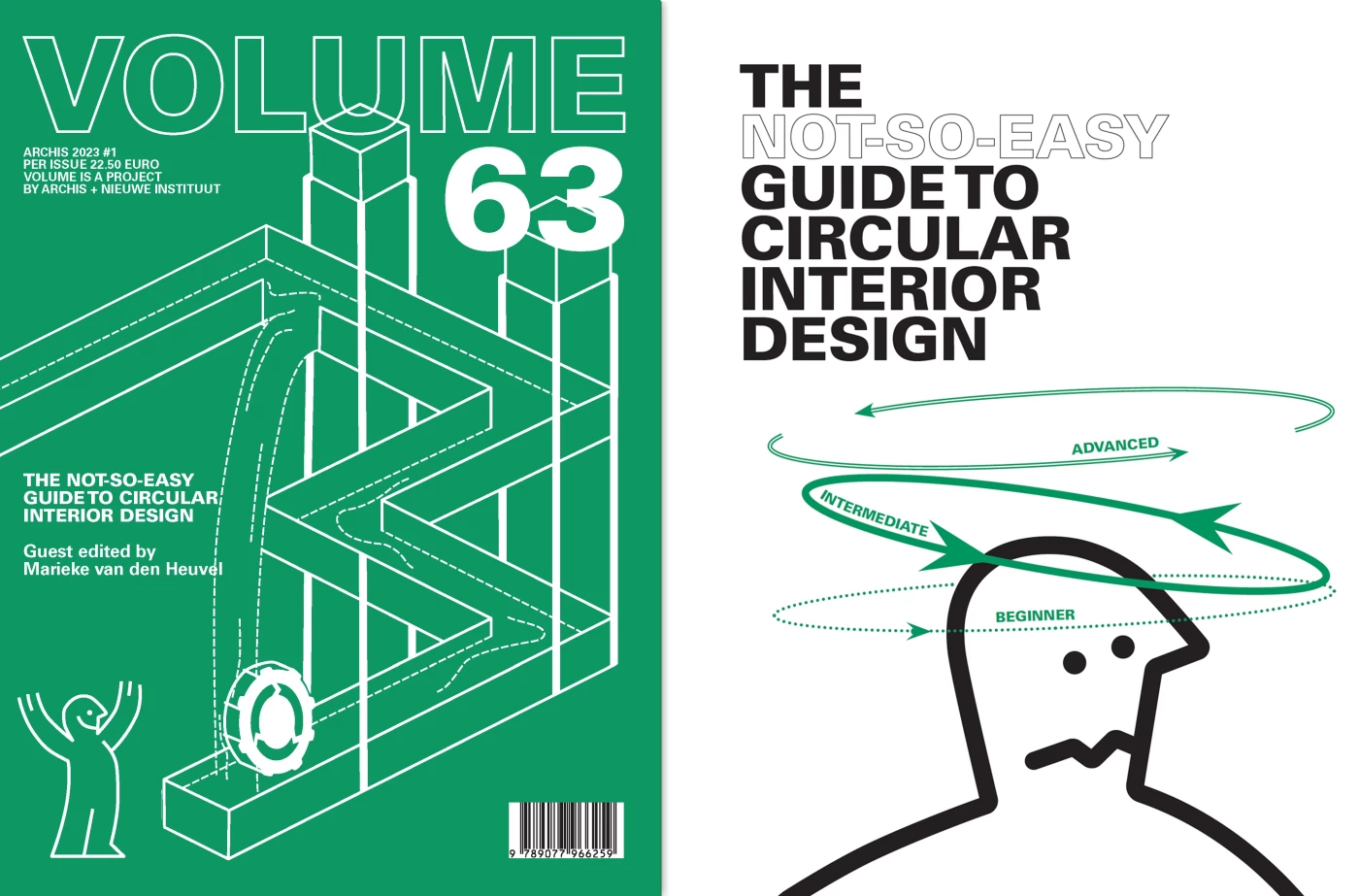
The guide is divided into three levels of expertise: beginner, intermediate and expert. Each level consists of a good-practice case, the lessons drawn from it, and additional essays by contributors from the field. Book design: Irma Boom, Illustrations Marieke van den Heuvel
/7 -
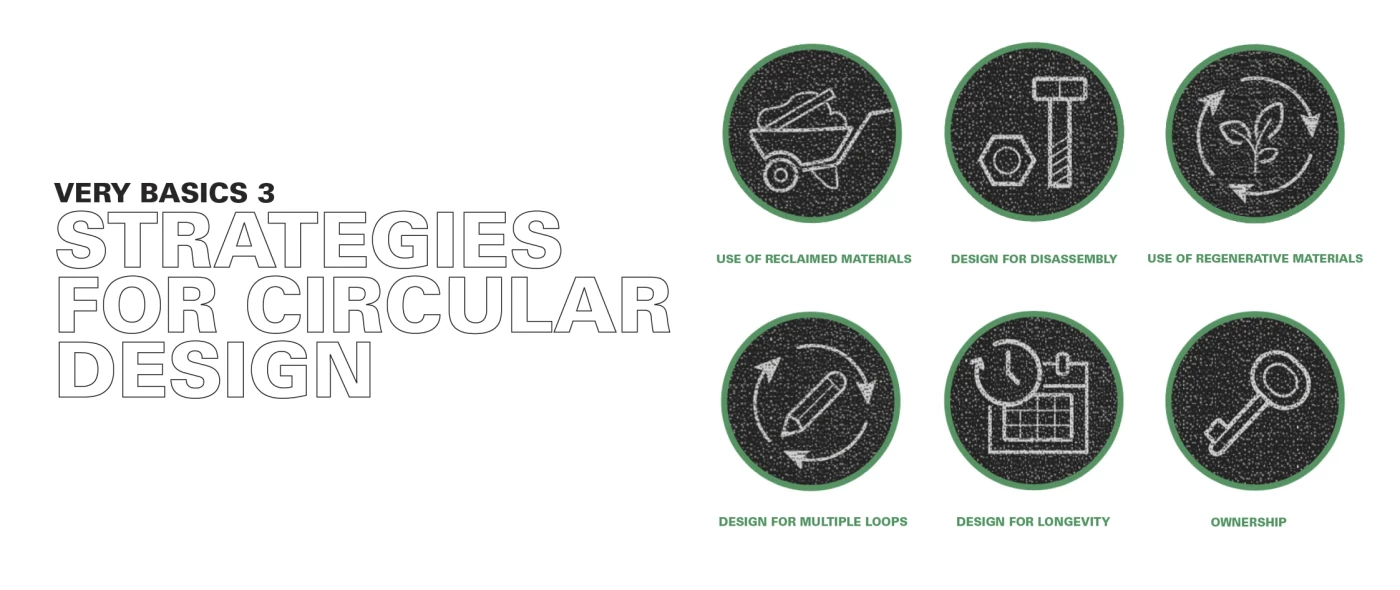
Very Basics is a series explaining the principles of circular architecture; the third instalment highlights six strategies.
/7 -
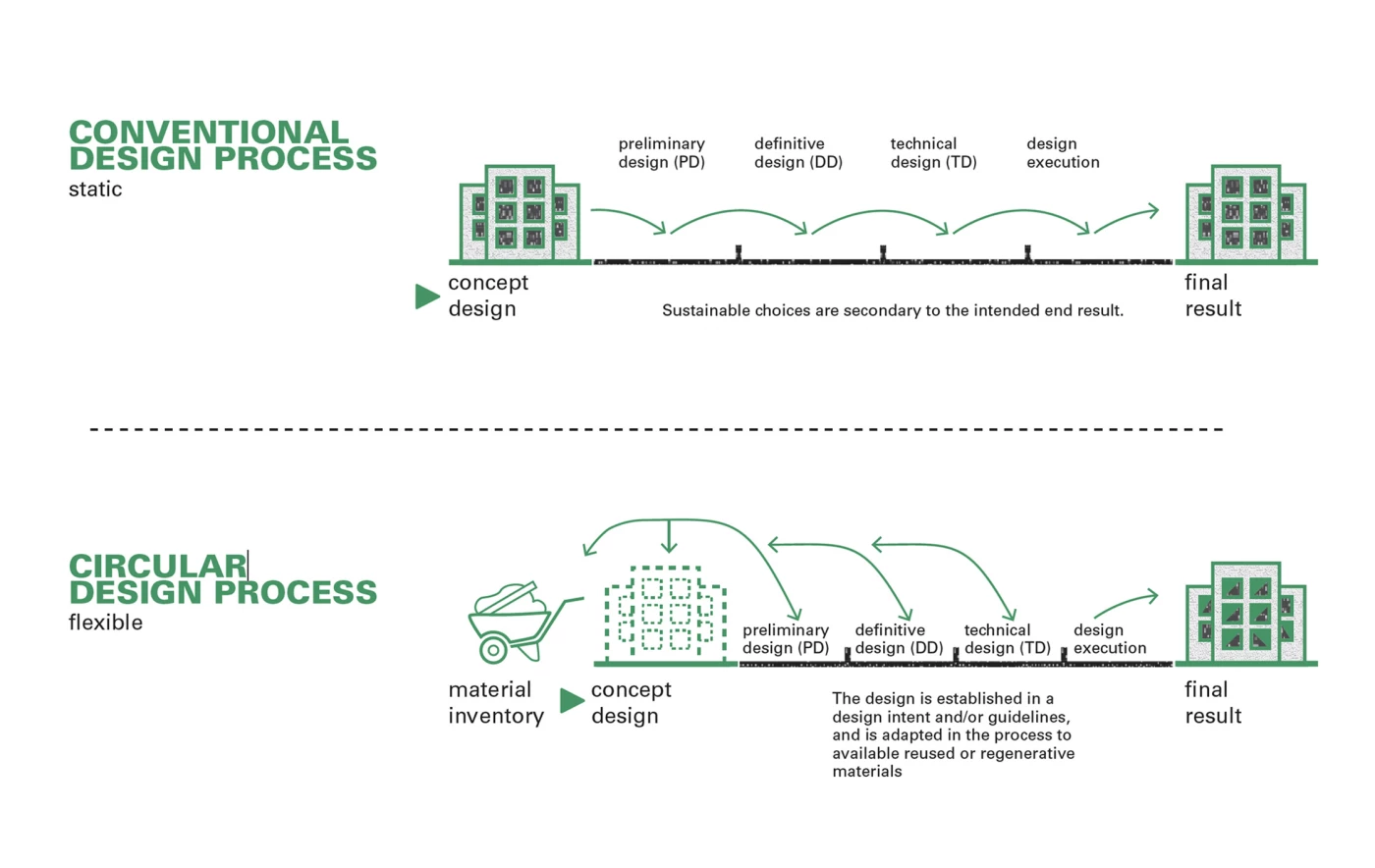
Very Basics 6 (intermediate) shows how the building process of a circular design differs from a conventional one.
/7 -
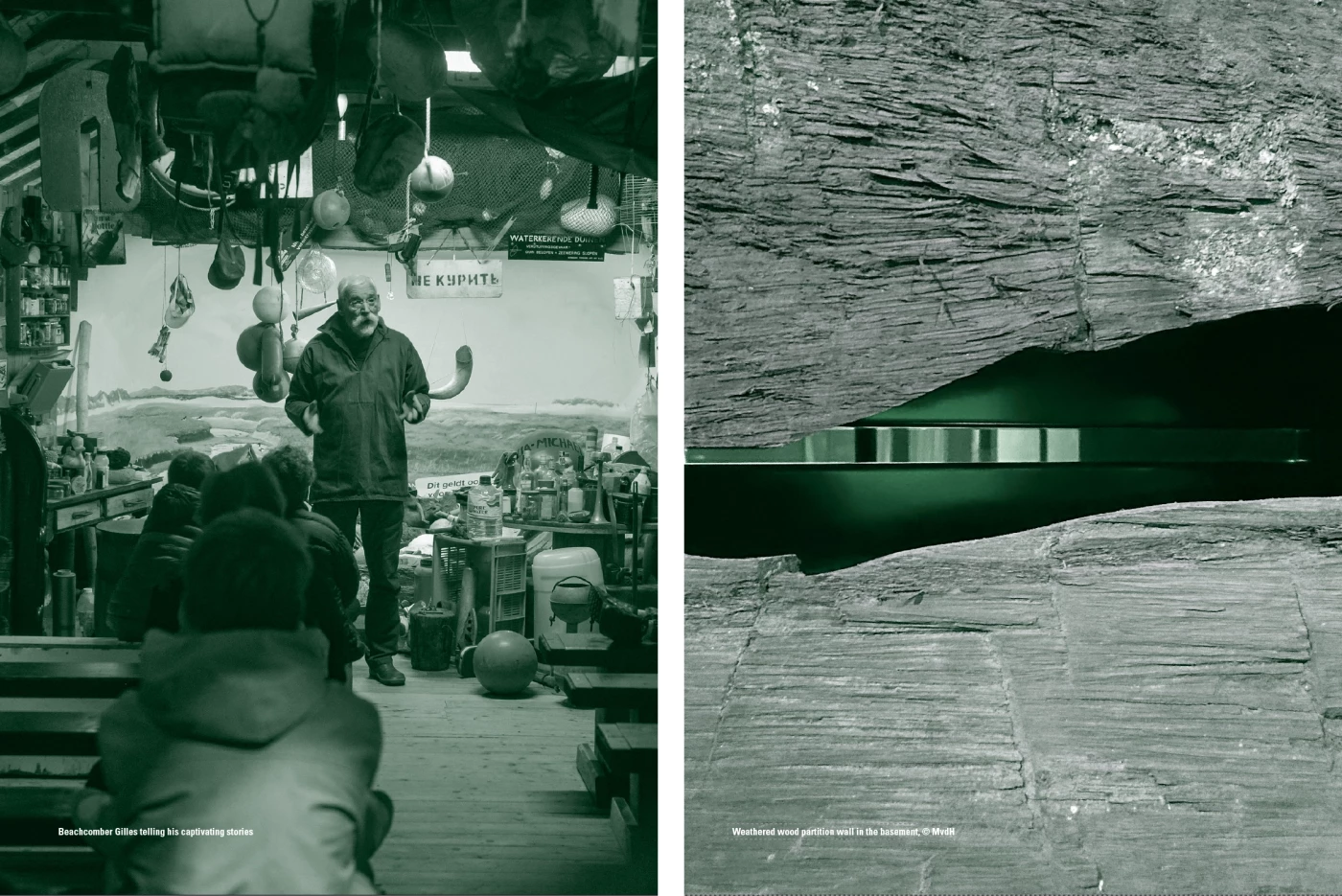
The first highlighted case is a semi-permanent exhibition at museum Kaap Skil on Texel. Beachcombing is one of the oldest forms of reuse of what washes ashore, which made a circular design approach fitting.
/7 -
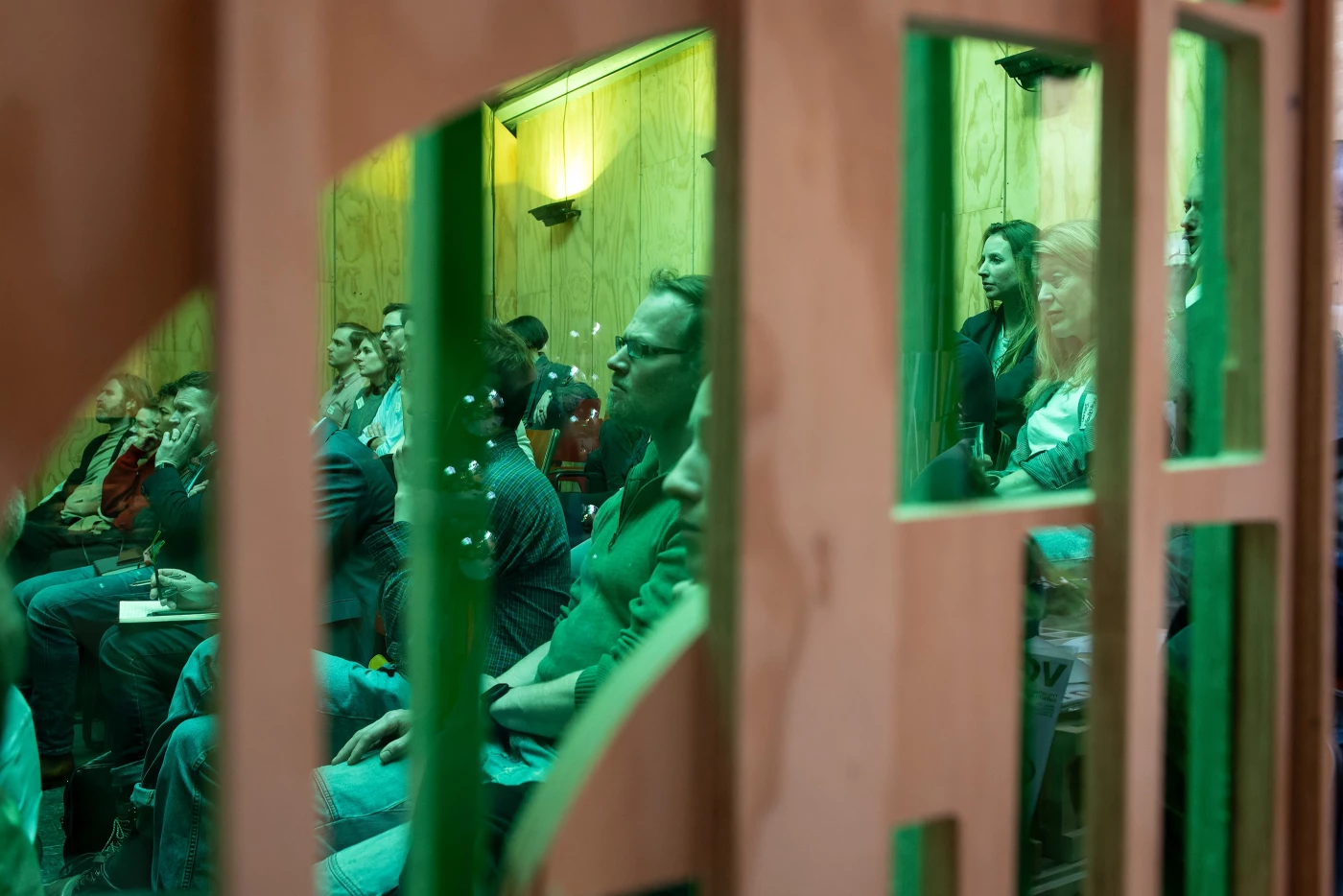
The Not-So-Easy Systems Change Meet-up, organized by VOLUME together with Marije Remigius (Circu-leren) and Het Nieuwe Instituut on the occasion of the launch of the guide. The event was part of the Week of the Circular Economy 2024 and hosted by Fiction Factory in Amsterdam. photo by Yvonne Witte
/7 -
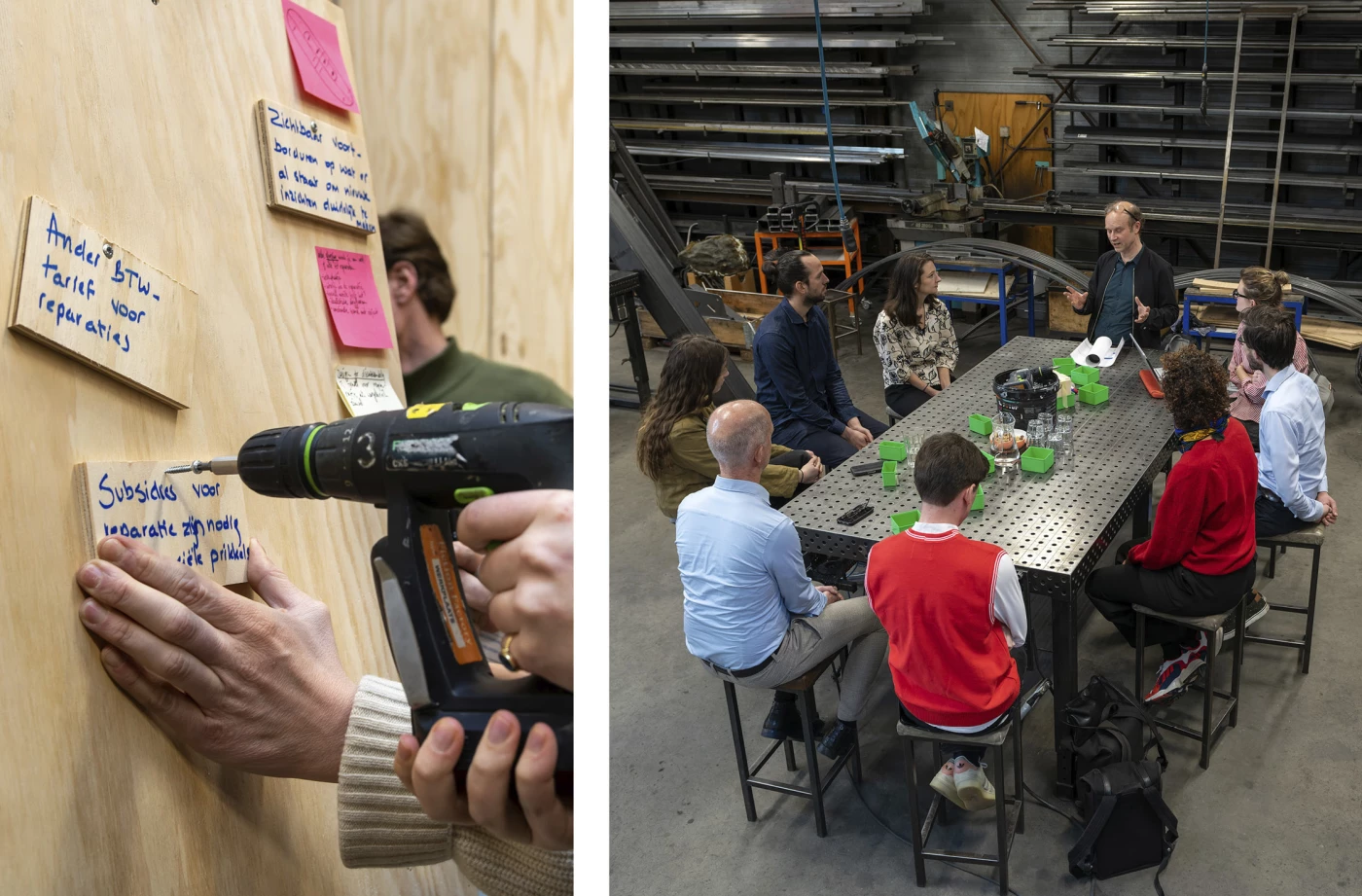
During the afternoon expert session, participants were divided into thematic tables, each led by a host. Experts were matched to themes based on their expertise, sometimes deliberately in unexpected combinations to bring new perspectives to the themes. Left: the takeaways, collected on leftover pieces of wood. Right: Jan Jongert (founder of Superuse Studios) at the table on Financial (Contracting) Systems, where participants meanwhile sorted loose screws by size and type for reuse. photo's by Michelle Gulinckx
/7 -
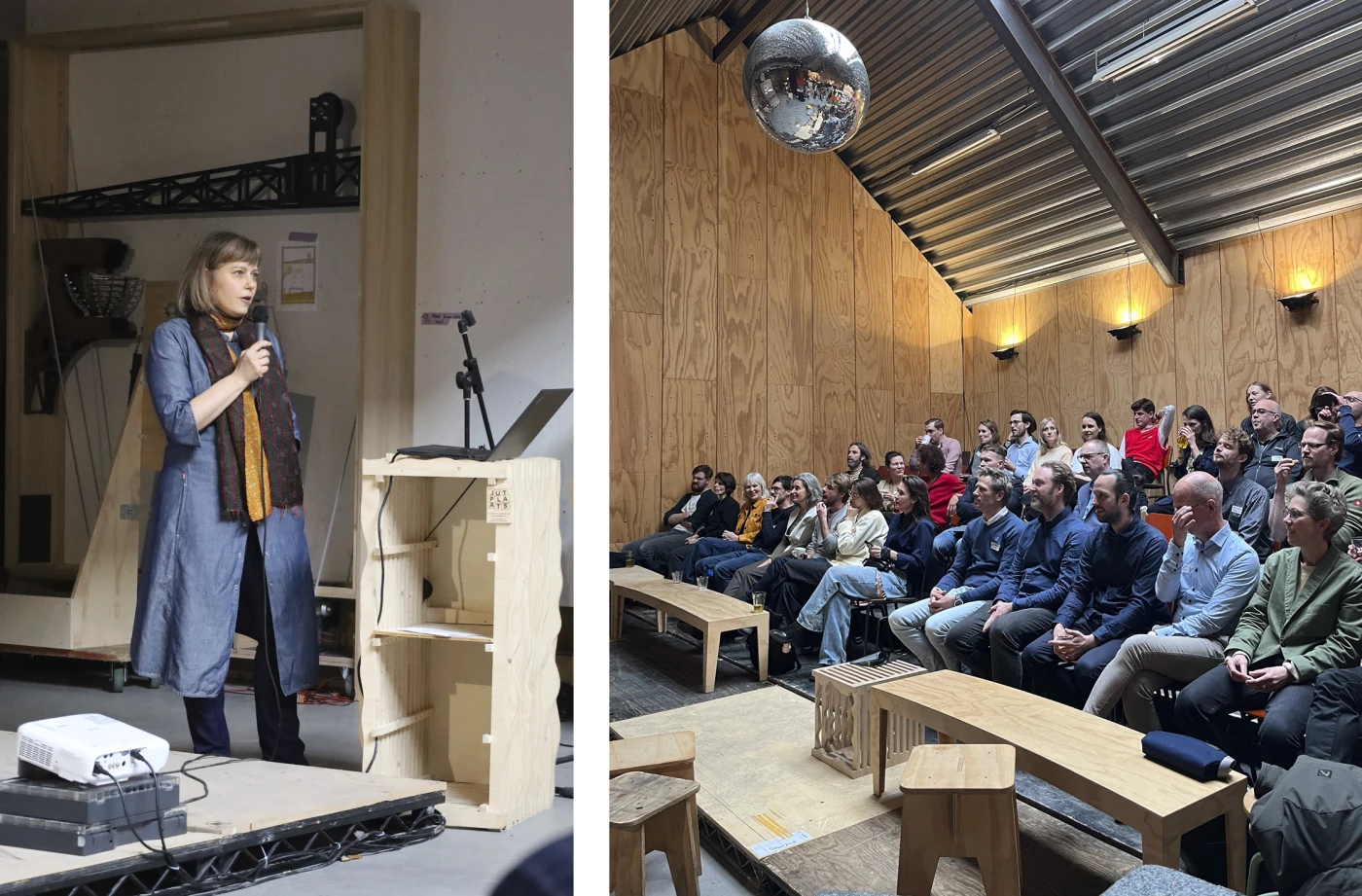
The evening program featured several presentations. Left: Marieke van den Heuvel introducing the guide. Key lectures were: The Culture of Cleaning and Maintenance by Ruth Baumeister, who wrote an essay on the subject in the guide, and The Not-So-Easy Lecture by Floris Schiferli (partner Superuse Studios). photo's by Michelle Gulinckx
/7


If reality were solely based on LinkedIn announcements, design biennials and conferences, you would think design and architecture are nearing perfection in terms of sustainable design. In contrast, the actual practice of circular building is messy, complicated, stacked with dilemmas and still far from achieving its goals. This guide helps readers and designers untangle the intricate web of interlocking issues that keep us from realizing most of our ambitions. It takes an inside-out approach to architecture, starting from the interior. Interiors are characterized by high turnover rates, driven by trends, and consist of highly customized components made from a variety of materials, which makes implementing circular principles even more challenging. In addition to the case studies, contributions delve into circular calculation tools, developments in bio-based materials, the role of cleaning and maintenance culture, financial models, and the importance of adapting our understanding of aesthetics.
Guest editor: Marieke van den Heuvel. Interviews with Fiction Factory, Circu-leren, Hollandse Nieuwe, NICE, Fokkema & Partners, Superuse Studios, LBP|SIGHT and Opera, amongst others.
Contributions by David van Nunen, Jaapjan Berg, Material Cultures, Ruth Baumeister, Simon J. Barker, Remy Heijer, Jingshi Liu, Aylin Cakanlar, Gergana Nenkov, Pascal Leboucq, ROTOR and Stephan Petermann.
Organized by VOLUME (Stephan Petermann) and MISC. (Marieke van den Heuvel) with Marije Remigius (Circu-leren) and Het Nieuwe Instituut. Hosted by Fiction Factory, Amsterdam. Table hosts: Janina Nieper (co-founder Circular Economy Club Amsterdam), Ruben Bus (circular advisor and material researcher at New Heroes), Bruno Vermeersch (founder Jacques & André), Hade Steenwinkel (director Fiction Factory), Jan Jongert (founder Superuse Studios) and Geoffrey Timmer (creative director Colliers).